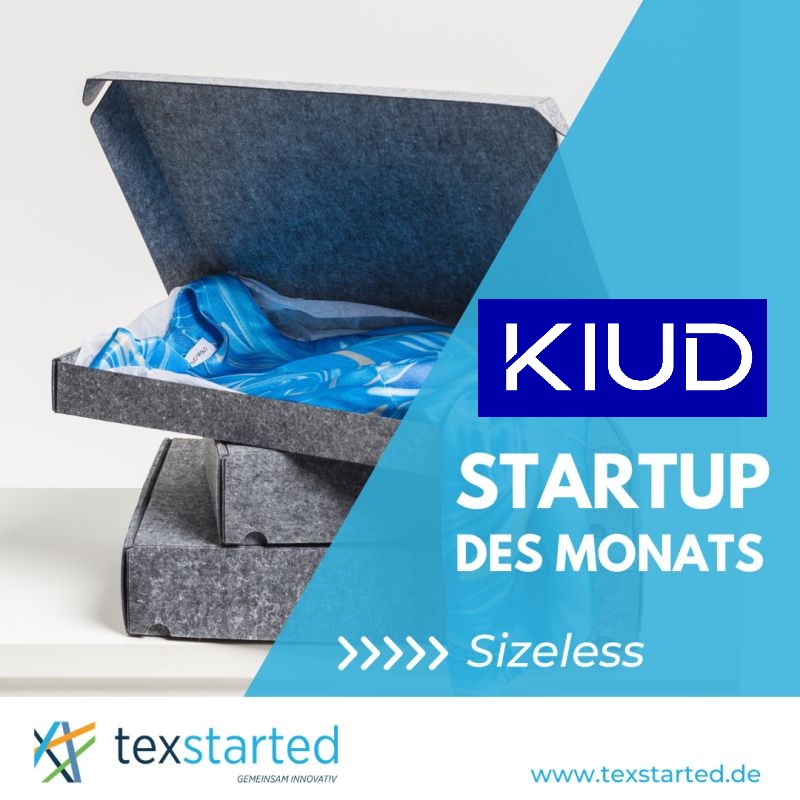
We are proud to share that KIUD has been named Startup of the Month by Textil+Mode, the German Textile and Fashion Association. As the umbrella organization of the German textile and fashion industry, Textil+Mode represents around 1,400 companies through its member associations and plays an important role in supporting innovation and the future of the sector.
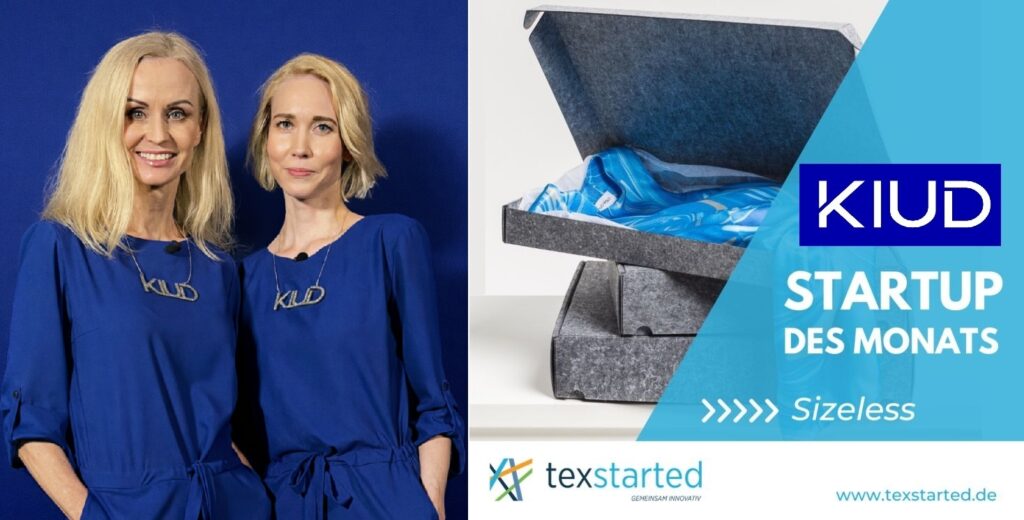
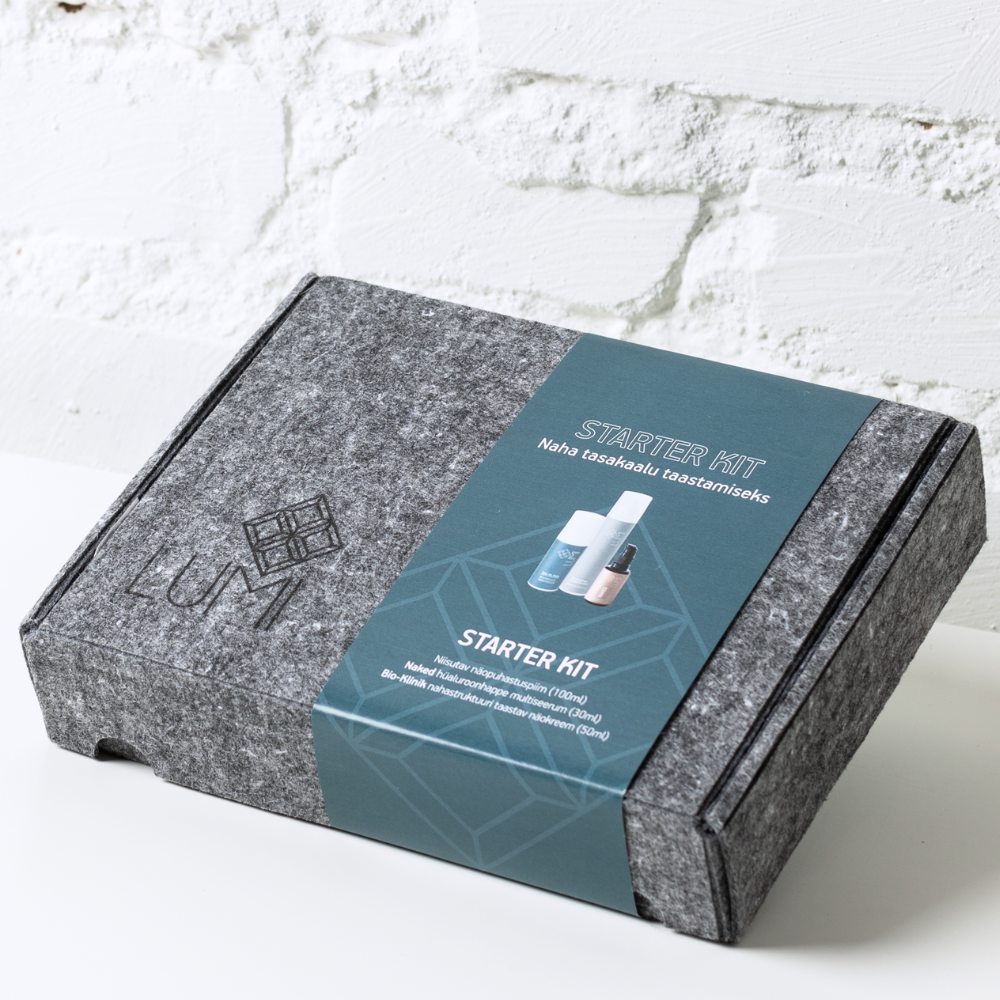
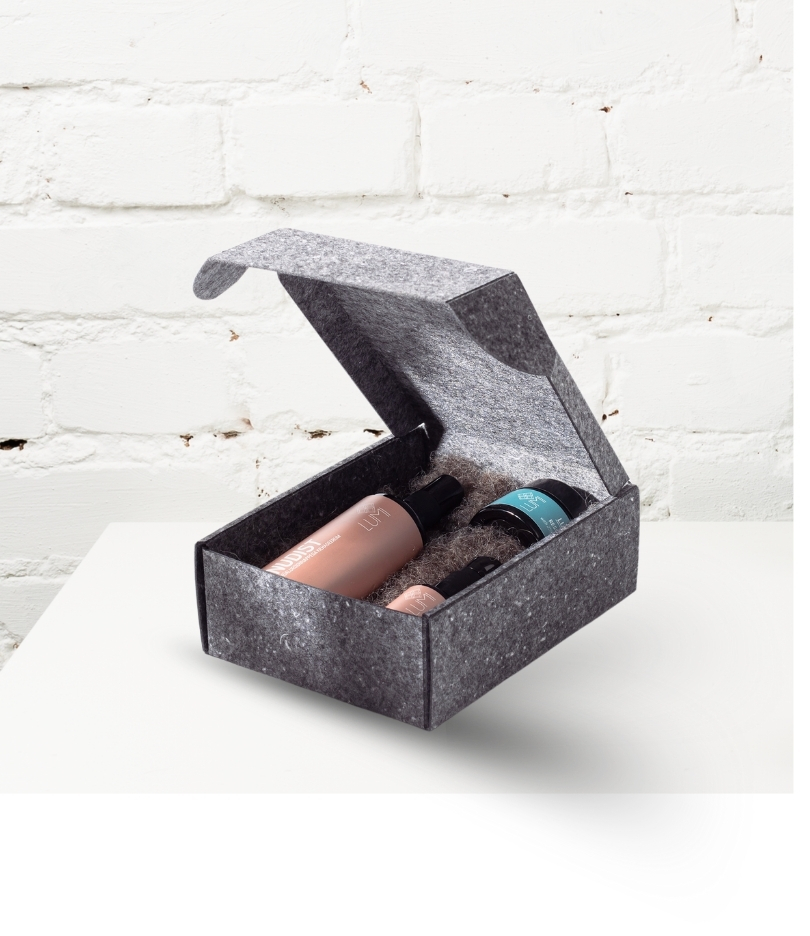
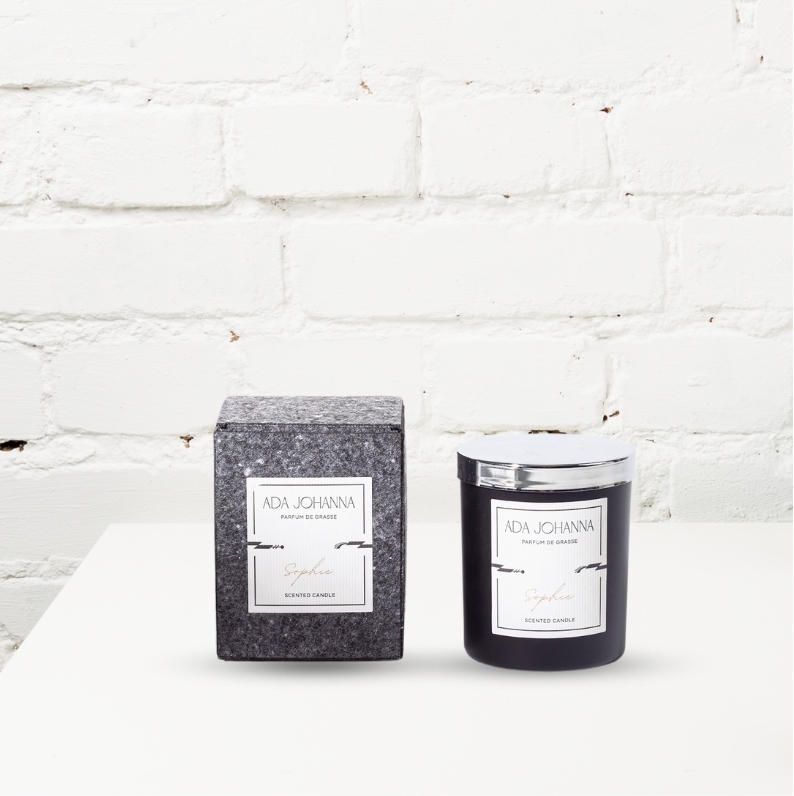
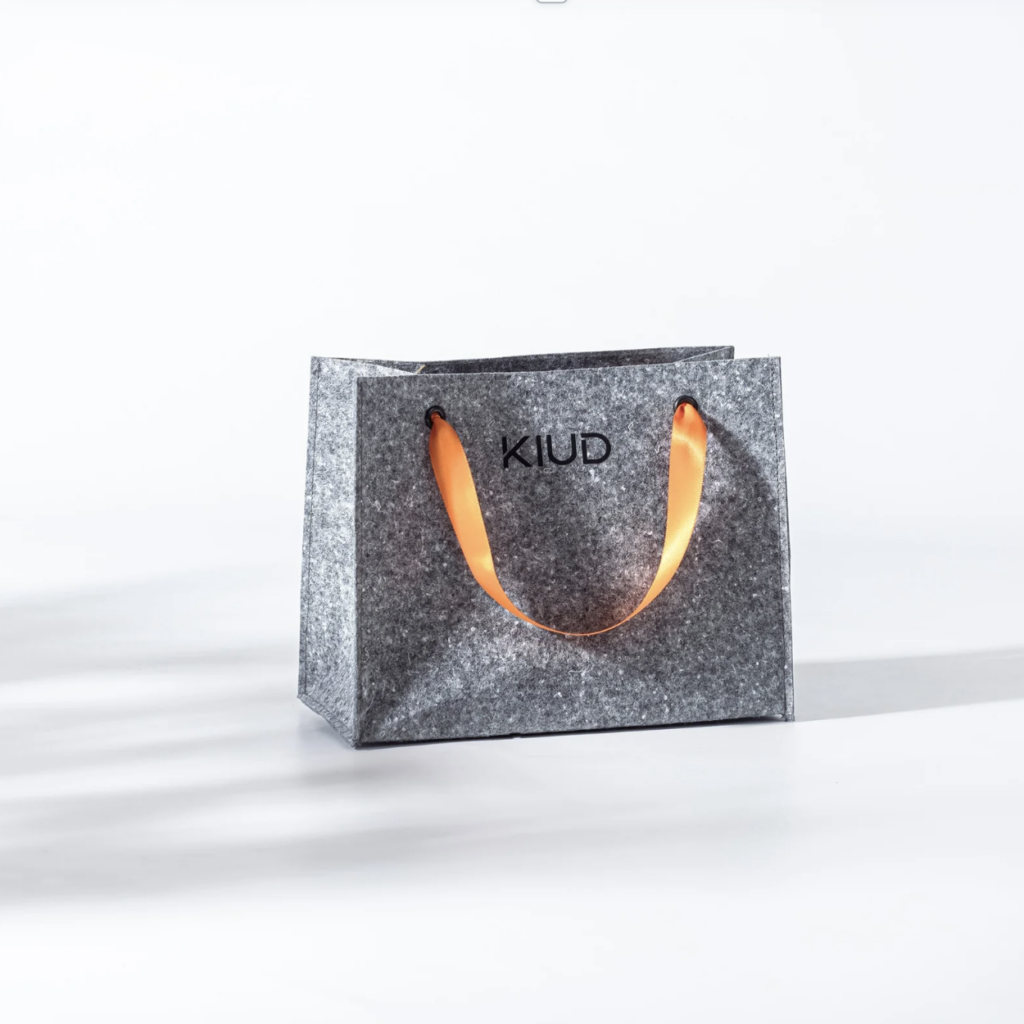
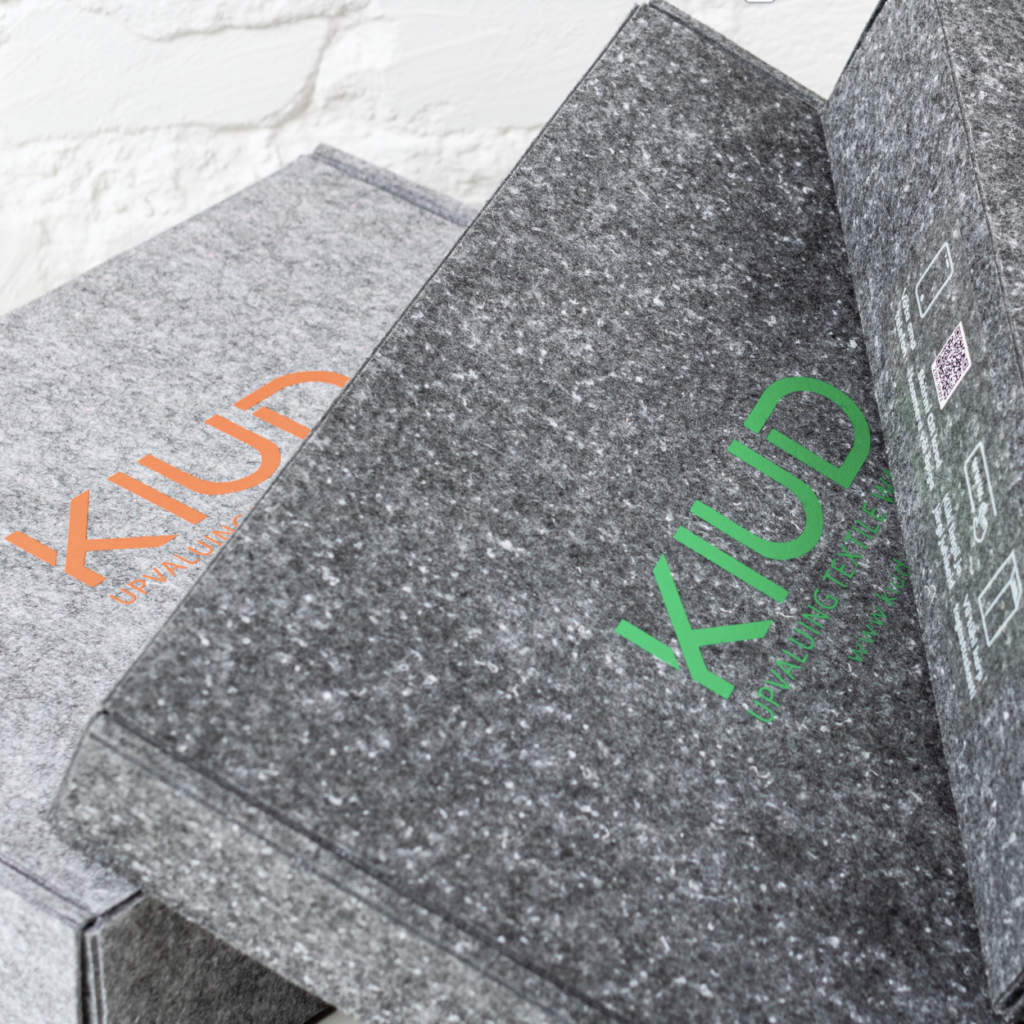
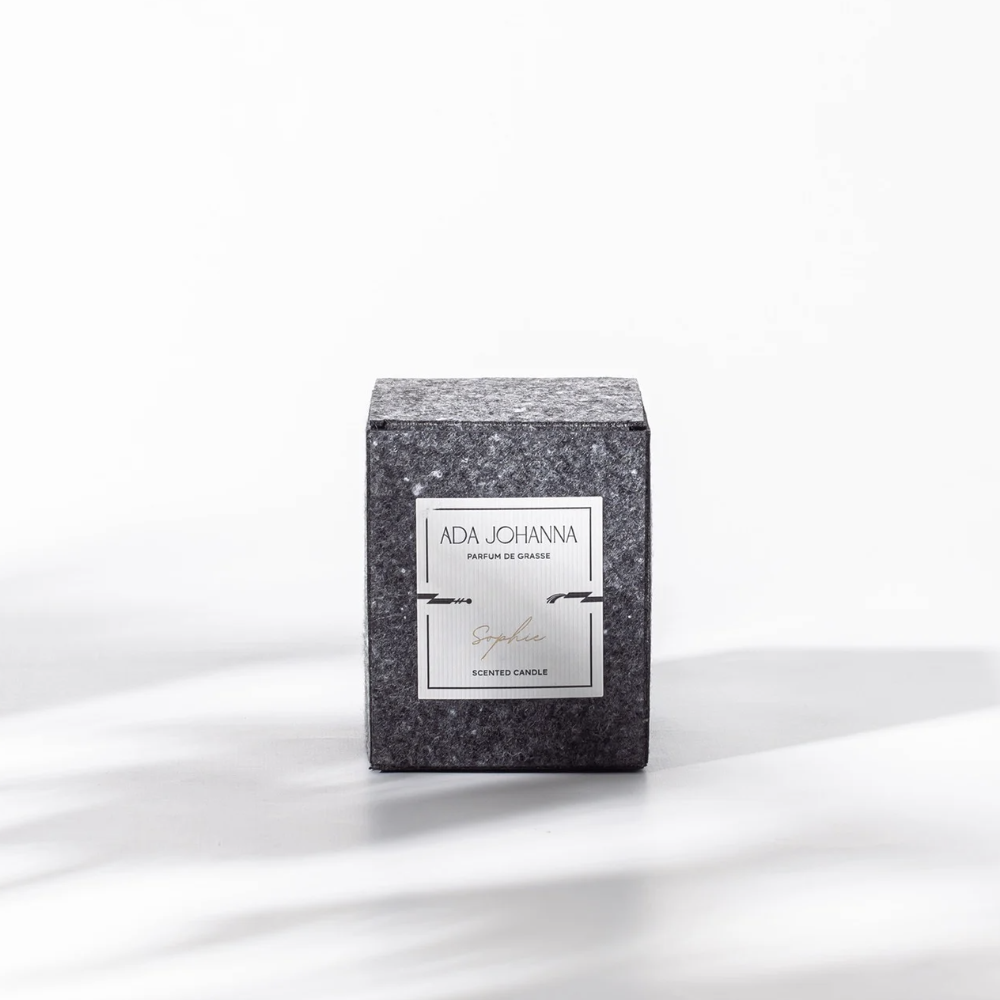
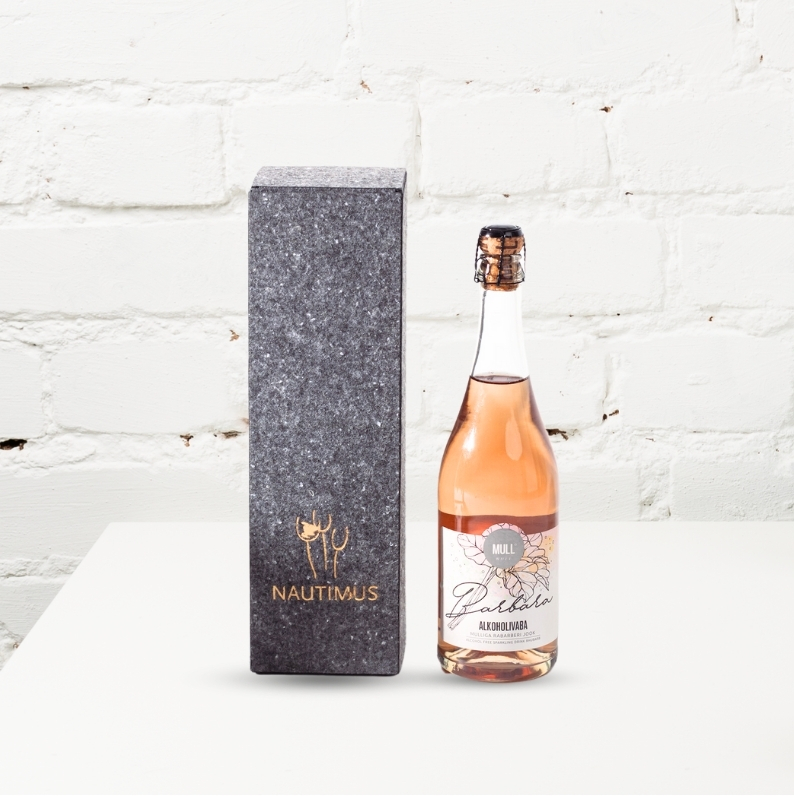
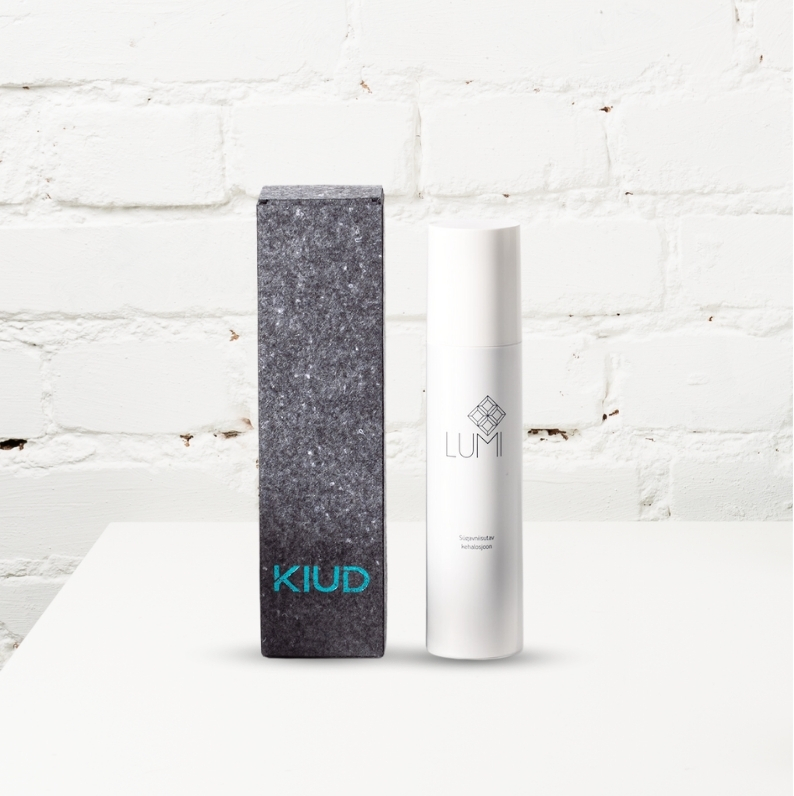
KIUD was recognized for its mission to help fashion brands give their own textile waste a second life by transforming it into high-quality reusable packaging, boards, and other circular products. In its feature, Textil+Mode highlights how KIUD turns waste into a valuable resource that strengthens circularity, saves resources, and makes sustainability visible.
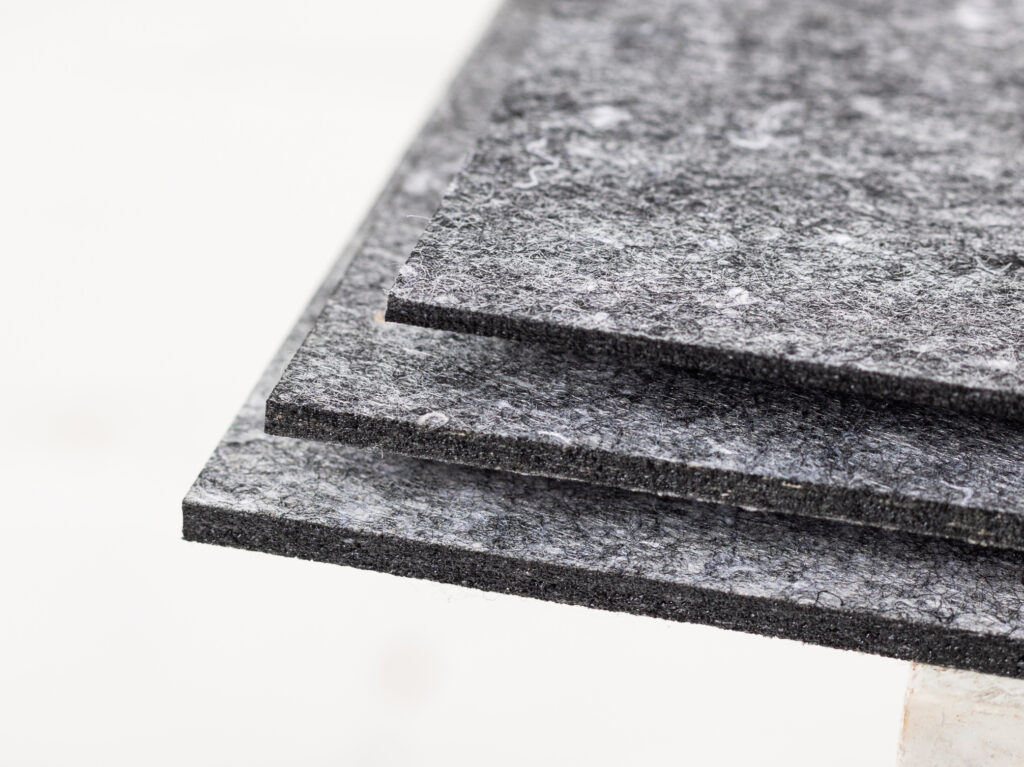
Founded in Estonia, with offices in Berlin and Tallinn, KIUD is building practical solutions for brands looking to move from waste to circular value creation. Our patented mechanical process transforms synthetic and blended textile waste into a dimensionally stable material without using water or chemicals, creating a new use for materials that would otherwise be discarded.
This innovative material can be reused up to 20 times and is especially suited for circular systems such as resale, rental, returns, refurbishment, and closed-loop logistics. It allows brands not only to reduce waste, but also to tell a stronger sustainability story through packaging that is directly connected to their own materials and products.
The recognition is also meaningful because it comes through the wider Tex Started network, a startup initiative by Textil+Mode created to connect innovative founders with established textile and fashion companies. Tex Started supports cooperation, visibility, and innovation partnerships across the industry, helping bring new ideas and practical solutions into the market.
We are grateful for this recognition and proud to be part of an ecosystem that believes collaboration is essential for building the future of textiles. Together with partners across fashion, retail, and logistics, we want to show that textile waste should not be the end of the story — it can be the beginning of a smarter, reusable future.